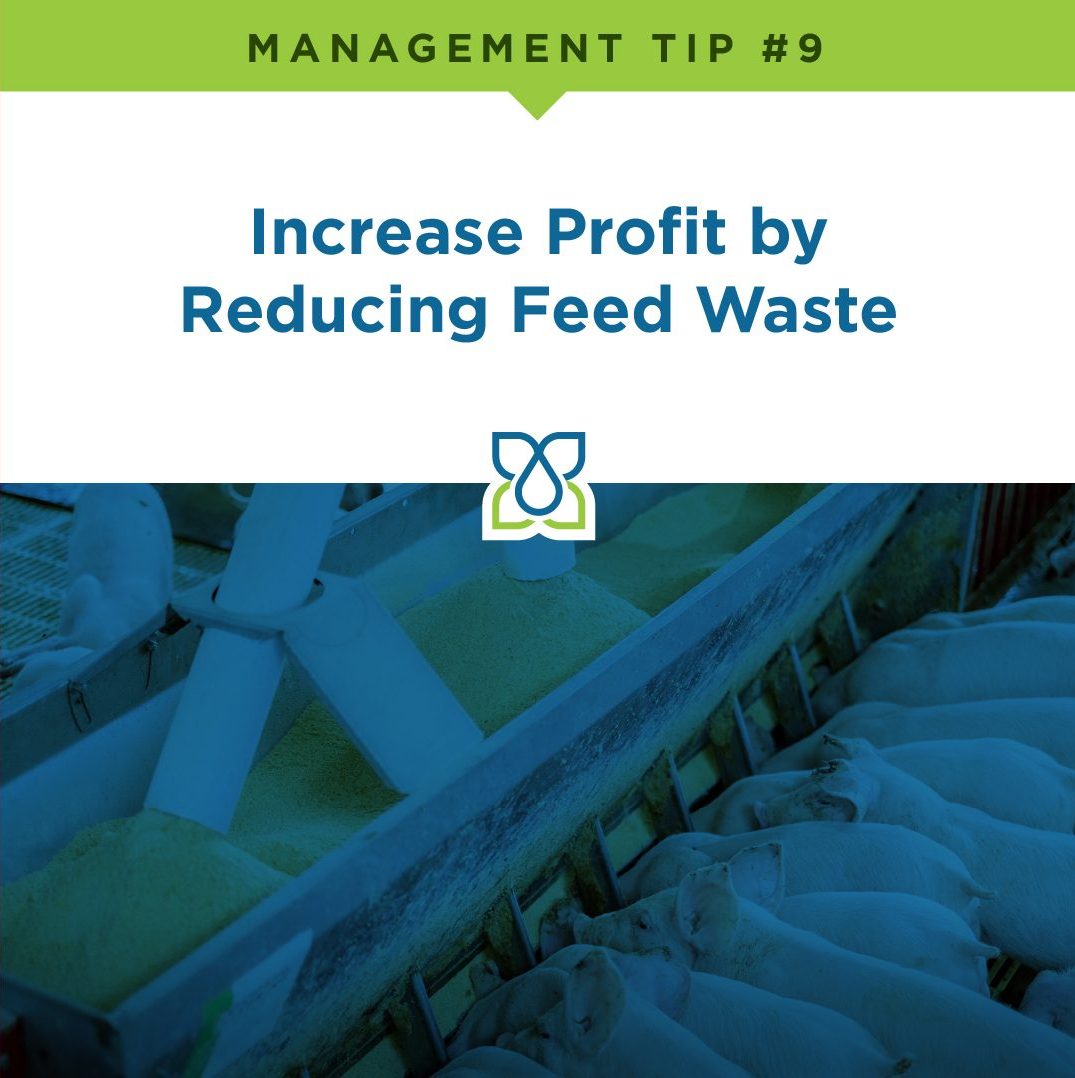
Managing wet/dry feeders isn’t complicated, but it requires a different approach than conventional dry feeding systems. Because pigs eat up to 20% faster on wet/dry feeders, understanding feeder dynamics and pen behavior is critical to maximizing Feed Conversion Ratio (FCR) and Average Daily Gain (ADG).
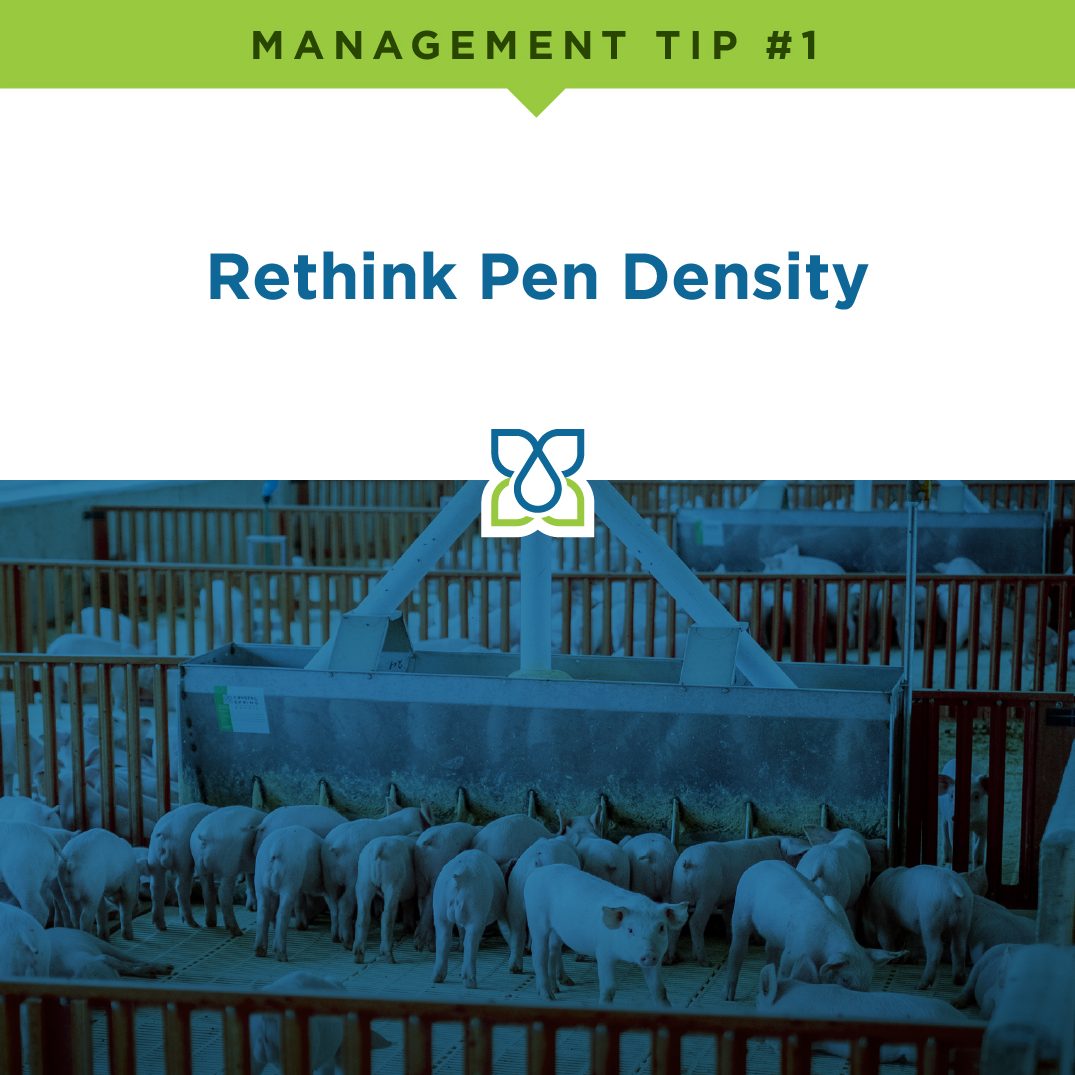
1. Optimize Stocking Density & Linear Feeder Space: Account for higher eating velocity.
Because pigs consume feed approximately 20% faster at a wet/dry feeder, linear space requirements differ from dry systems. Ensure stocking density reflects this increased eating velocity to allow uniform access across the entire pen without crowding.
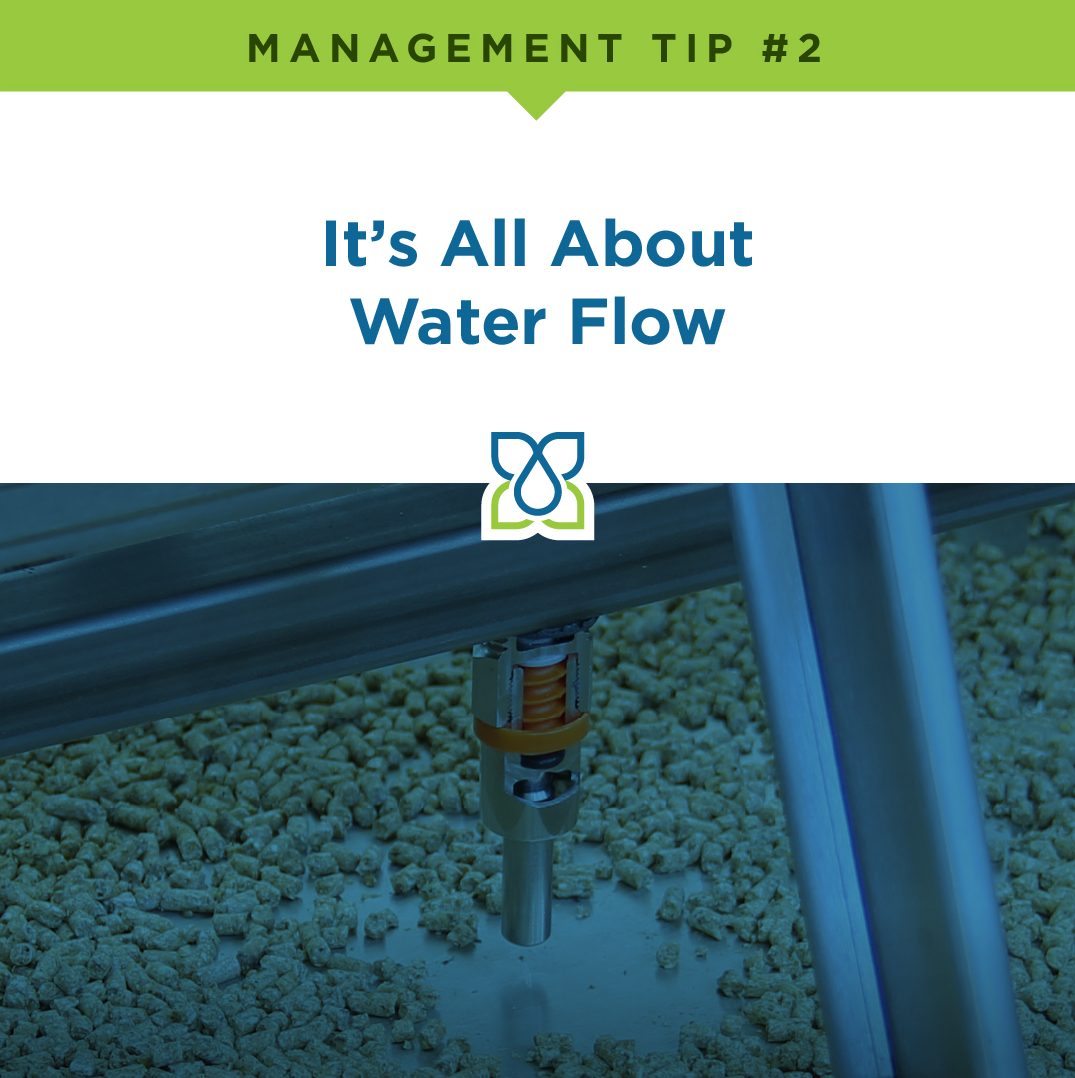
2. Regulate Feeder Water Flow Rates: Critical control point for FCR.
Precise water pressure and nipple flow rate control are vital. Unregulated flow leads to flooded feeder pans, stale feed, and excessive slurry volume, directly degrading FCR and daily intake.
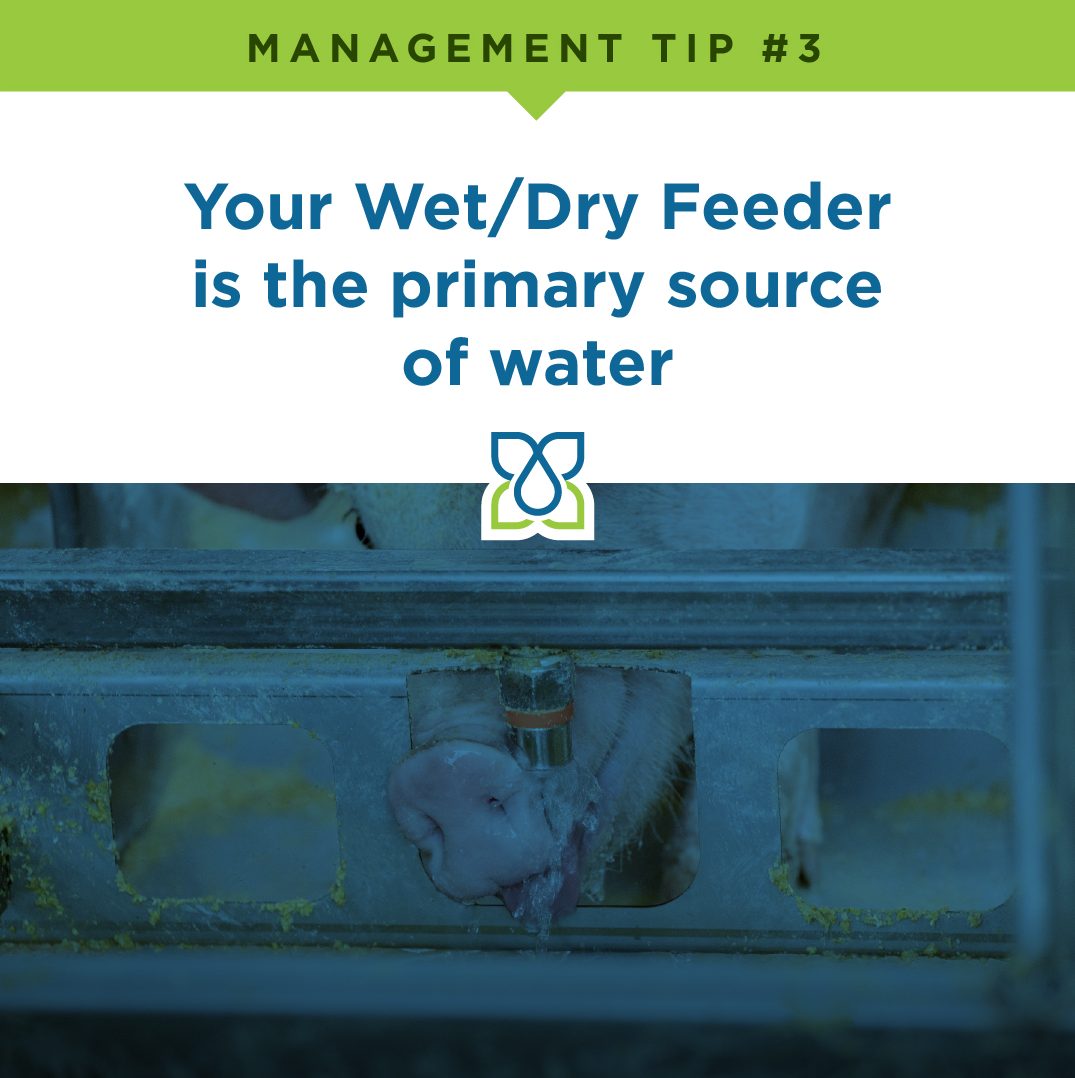
3. Establish In-Feeder Drinkers as Primary Water: Drive the 'drink-to-eat' response.
In-feeder drinkers must serve as the pig's primary water source. When pigs hydrate at the feeder, feed intake increases concurrently, accelerating overall daily weight gain.
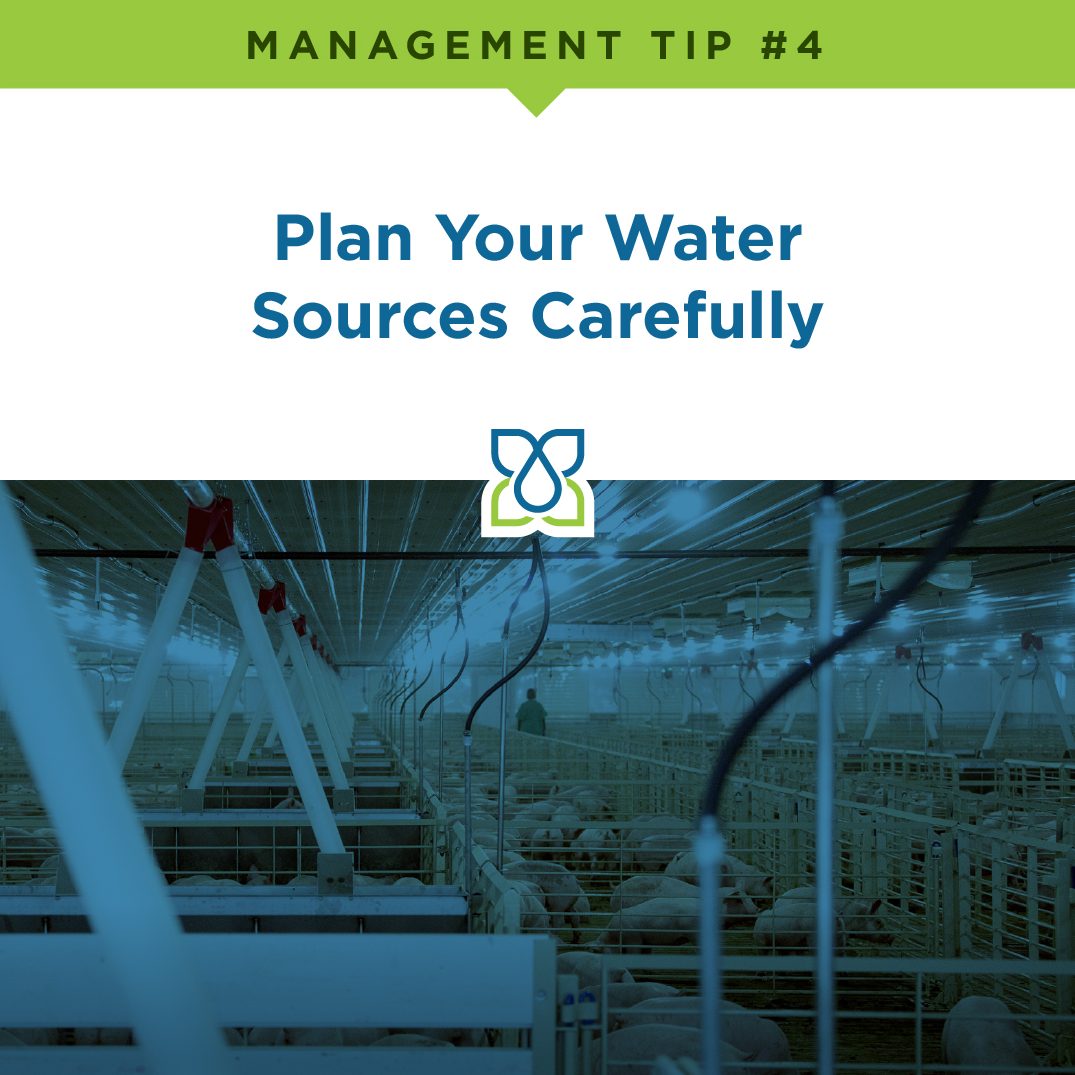
4. Account for In-Feeder Hydration in Pen Planning: Avoid over-supplementing water.
Factor in-feeder water delivery into total pen supply calculations. Over-allocating secondary drinkers can disrupt the desired intake behavior at the primary feeder.
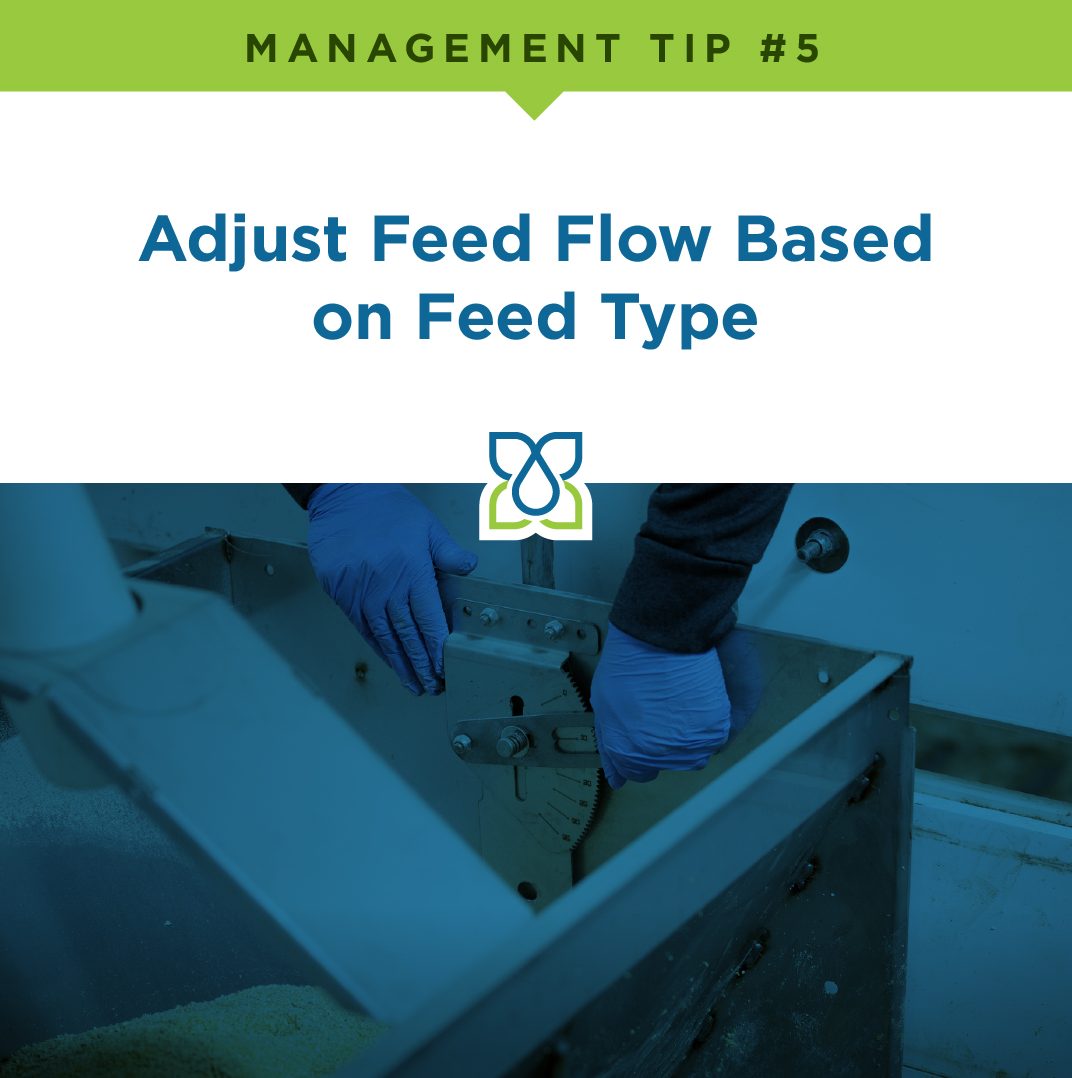
5. Calibrate Feed Flow Across Diverse Rations: Match shelf clearance to diet physical form.
Adjust feed shelf settings dynamically based on diet characteristics—whether running meal, pelleted, or high-fat diets. Proper shelf calibration prevents bridging while limiting pan accumulation to under 50%.
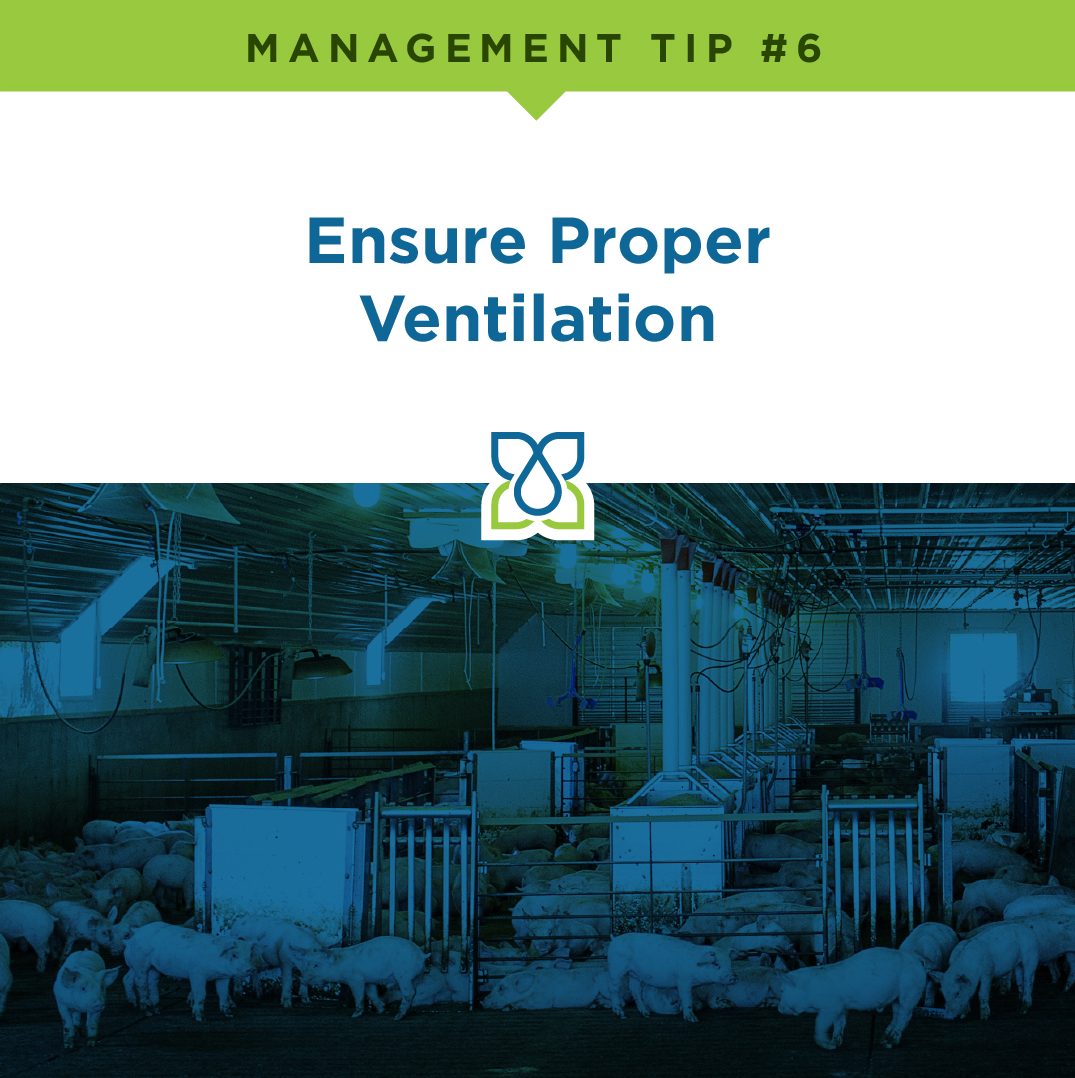
6. Maintain Barn Ventilation & Air Quality: Prevent disrupted feeding patterns.
Poor air movement or drafty conditions trigger stress behaviors like tail biting and altered feeding frequencies, reducing overall daily intake.
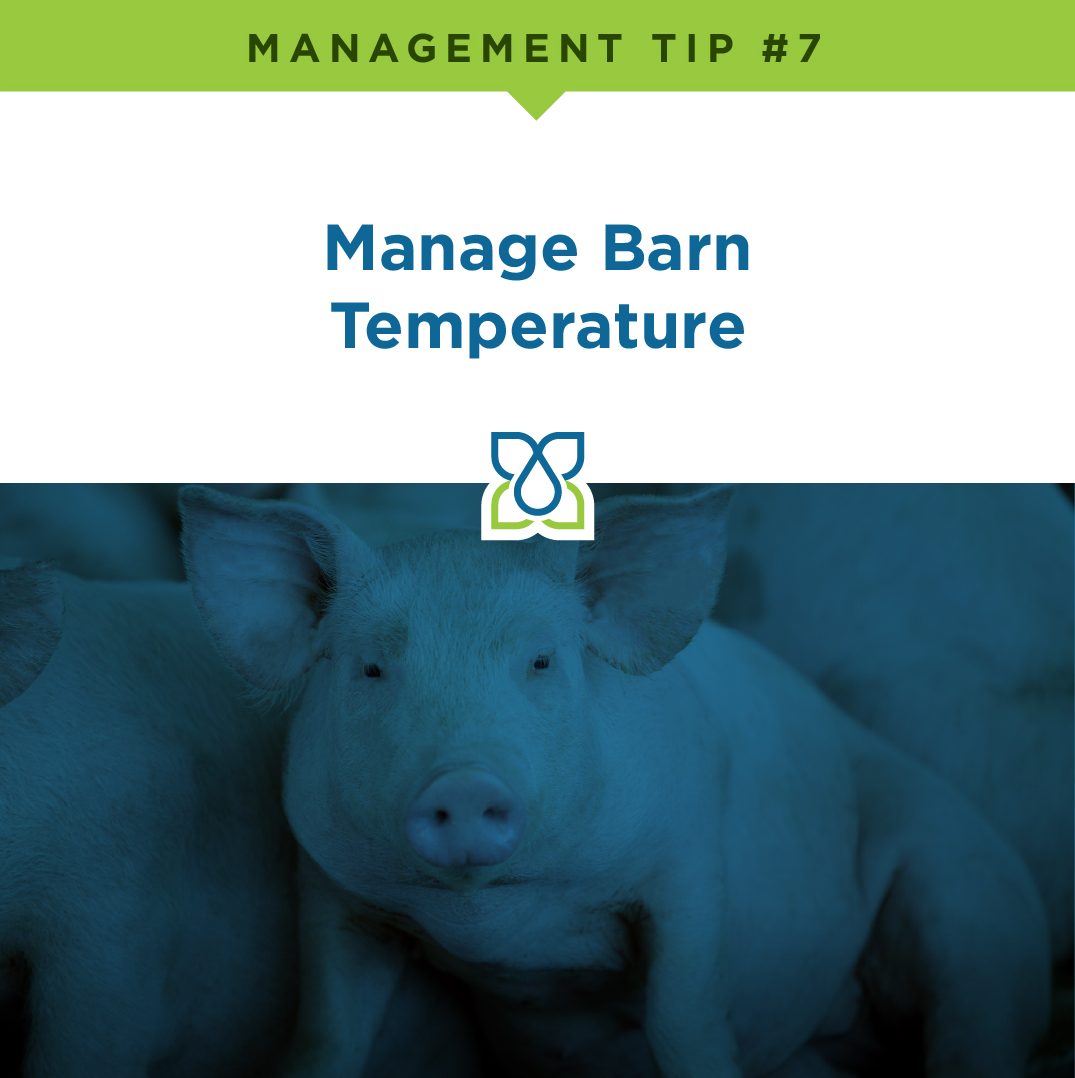
7. Manage Nursery Microclimates: Watch for cold stress indicators.
Environmental chill alters feeding behavior. If piglets are piling near thermal zones or climbing into feeder troughs, adjust barn heating and ventilation curves immediately.
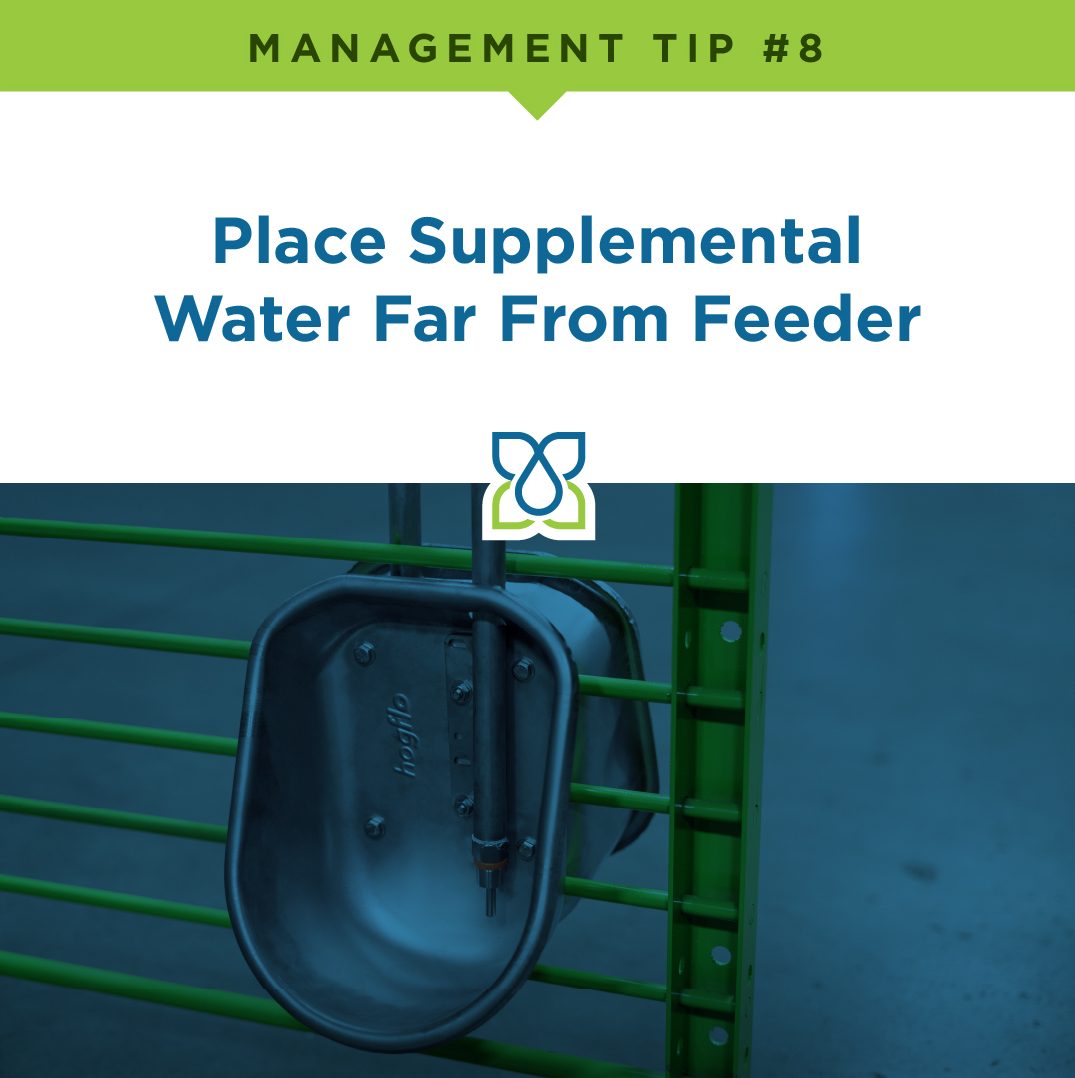
8. Position Supplemental Drinkers Strategically: Preserve pen dunging patterns.
Place secondary or auxiliary drinkers on the opposite side of the pen from the wet/dry feeder. This maintains a clear separation between feeding and dunging areas while keeping in-feeder nipples as the primary hydration source.
9. Protect Your High-Volume Feed Investment: High throughput demands proven hardware.
In a standard 1,200-head barn, over 40 tons of feed pass through a single feeder every year. With feed representing up to 80% of live-weight production costs, utilizing proven precision hardware ensures maximum feed capture and minimal pit waste.
Need assistance fine-tuning your feeder settings or evaluating pen layouts? Contact the Crystal Spring technical team at info@cshe.com, via WhatsApp/Phone at +1 (402) 227-8228, or visit www.crystalspring.com to connect with your regional equipment specialist.