Water is the most critical yet frequently overlooked nutrient in swine nutrition. At birth, water accounts for roughly 80% of a piglet's body weight, declining to about 50% by the time the pig reaches market weight.
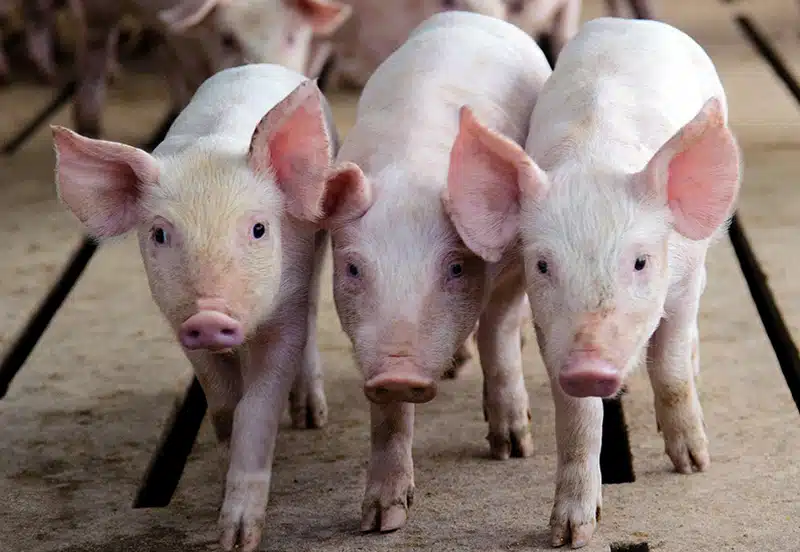
When newly weaned piglets arrive in the nursery, they face compounding stressors: removal from the sow, environmental changes, commingling, and the transition from warm sow milk to dry feed. Dehydration during this transition phase stalls intestinal development, reduces initial Average Daily Feed Intake (ADFI), and delays growth performance.
Hydration Requirements: The Water-to-Feed Ratio
Under standard thermoneutral conditions, growing pigs require roughly 2.6 liters of water per kilogram of feed intake. Under heat-stress conditions or during acute health challenges, that demand can surge to 3.5 times feed intake.
Because feed intake directly follows water intake, getting newly weaned pigs to drink within the first 24 to 48 hours is vital to preventing post-weaning lag.
Three Core Strategies for Nursery Hydration
1. Calibrate Flow Rates and Drinker Ratios Ensure adequate water access by maintaining a stocking density of 10 to 15 piglets per drinker nipple. Flow rate calibration is critical:
- Target Flow Rate: 235 mL/min to 475 mL/min (8 to 16 oz/min).
- Ideal Flow Target: 350 mL/min (12 oz/min) balances adequate intake against trough flooding and water wastage.
- Note: Variable water pressure across long nursery rooms often leads to unequal flow. Utilizing regulated drinker nipples (such as Adaptive-Flow™ nipples) ensures uniform delivery from the front of the barn to the back.
2. Implement Hydration Support Protocol During the first 7 to 14 days post-weaning, supplemental supportive care helps maintain electrolyte balance and encourages gut health:
- Electrolytes & Acidifiers: Administration of sodium, potassium, chloride, and pH acidifiers via water lines keeps the gut environment balanced and encourages continuous water intake.
- Nutrient Gels: Placing gel supplements on matting or in trough trays provides quick hydration and encourages early foraging behavior.
3. Utilize Wet/Dry Nursery Feeders The single most effective equipment intervention for nursery hydration is placing water directly inside the feeder trough. Wet/dry feeders allow newly weaned pigs to naturally create a soft feed gruel at the shelf.
| Performance Metric | Traditional Box-Style Dry Feeder | Crystal Spring Wet/Dry Nursery Feeder |
| Nursery Weight Gain | Baseline | +1.5 to 3.0 kg (+3.3 to 6.6 lbs) additional gain |
| Water Disappearance/Wastage | Baseline | >35% Reduction in water wastage |
| Feed & Water Access | Separate locations | Combined single-point access |
Driving Early Intake
Providing unhindered access to fresh water at the ideal flow rate—and pairing it with wet/dry feeding options—eliminates the post-weaning intake gap. By prioritizing water delivery equipment from day one in the nursery, producers safeguard gut health, boost overall nursery turnout weights, and lower manure handling costs through reduced water wastage.